Top 7 Common Pool Problems in Central Florida and How to Fix Them
Learn about the most frequent pool issues facing Central Florida homeowners and expert solutions to keep your pool in perfect condition.
Top 7 Common Pool Problems in Central Florida and How to Fix Them
Central Florida's unique climate creates specific challenges for pool owners. Understanding these common problems and their solutions helps you maintain a beautiful, functional pool year-round.
1. Green Pool (Algae Growth)
The Problem
You wake up to find your crystal-clear pool has turned green overnight. Algae growth is the most common pool problem in Central Florida, especially during summer.
Why It Happens in Central Florida
- Warm temperatures year-round
- Intense sunlight depletes chlorine quickly
- High phosphate levels from fertilizer runoff
- Frequent rain dilutes chemicals
- Inadequate circulation or filtration
The Solution
Immediate Action:
- Test and balance water chemistry
- Brush all pool surfaces vigorously
- Shock the pool with 2-3 times normal chlorine
- Run filter continuously for 24-48 hours
- Vacuum to waste (if possible) or use multiport valve
- Clean filter thoroughly
- Retest and rebalance chemicals
Prevention:
- Maintain chlorine levels at 2-3 ppm
- Run pump 8-10 hours daily (more in summer)
- Brush pool weekly
- Keep phosphate levels below 200 ppb
- Use algaecide preventatively
When to Call a Professional: If the algae returns within days or black algae appears, professional treatment may be necessary.
2. Cloudy Water
The Problem
Your pool water looks hazy or milky instead of crystal clear, even though it's not green.
Why It Happens in Central Florida
- Imbalanced water chemistry
- Poor filtration
- High calcium hardness (common with hard water)
- Heavy pool usage
- Environmental contaminants (pollen, dust)
- Insufficient chlorine
The Solution
Step-by-Step Fix:
- Test all chemical levels
- Adjust pH to 7.2-7.4
- Shock the pool
- Check and clean filter
- Run pump continuously until water clears
- Use clarifier if needed
- Consider flocculent for severe cloudiness
Prevention:
- Test water 2-3 times weekly
- Maintain proper pH and alkalinity
- Clean or backwash filter regularly
- Shock weekly during heavy use
- Run pump adequate hours daily
3. Calcium Scaling and Buildup
The Problem
White, crusty deposits on tile, equipment, and pool surfaces. Central Florida's hard water makes this extremely common.
Why It Happens in Central Florida
- High calcium hardness in municipal water
- Elevated pH levels
- High total alkalinity
- Evaporation concentrates minerals
- Frequent top-offs with hard water
The Solution
For Light Scaling:
- Lower pH to 7.0-7.2
- Use pumice stone on tile
- Apply tile cleaner with nylon brush
- Use calcium reducer products
- Drain some water and refill with softer water
For Heavy Scaling:
- Professional acid wash
- Tile bead blasting
- Pressure washing with special solutions
- Media blasting for severe cases
Prevention:
- Test calcium hardness monthly
- Keep levels at 200-400 ppm
- Maintain pH at 7.2-7.4
- Use sequestering agents
- Consider water softener for fill water
4. Equipment Failure (Pumps, Filters, Heaters)
The Problem
Pool equipment stops working, makes unusual noises, or operates inefficiently.
Why It Happens in Central Florida
- Year-round operation causes more wear
- Heat and humidity accelerate deterioration
- Hard water damages equipment
- Lack of regular maintenance
- Age (equipment lasts 7-15 years typically)
Common Equipment Issues
Pump Problems:
- Won't start: Check breaker, timer, capacitor
- Makes noise: Worn bearings, debris in impeller
- Loses prime: Air leak in suction line, low water level
- Overheats: Poor ventilation, clogged impeller
Filter Issues:
- High pressure: Needs cleaning or backwashing
- Low pressure: Pump problem, clogged lines
- Short filter cycles: Poor water chemistry
- Leaking: Damaged O-rings, cracked housing
Heater Problems:
- Won't ignite: Pilot light, gas supply, controls
- Insufficient heating: Scale buildup, wrong size
- Leaking: Corroded heat exchanger
- Error codes: Various specific issues
The Solution
DIY Troubleshooting:
- Check obvious issues (power, water level, valves)
- Inspect for visible damage or leaks
- Listen for unusual sounds
- Note any error codes
- Consult equipment manual
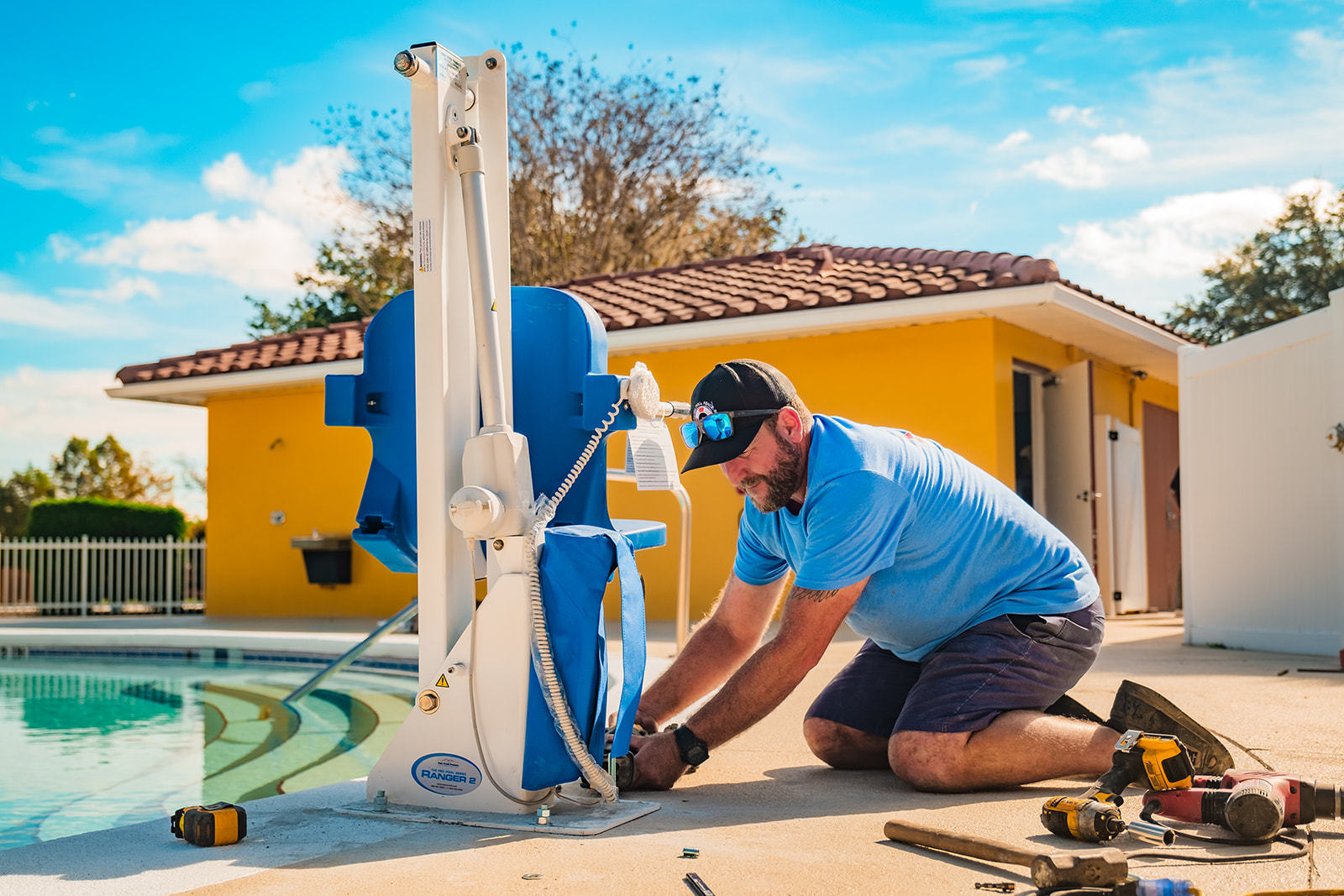
When to Call a Professional:
- Electrical issues
- Gas system problems
- Major leaks
- Internal component failure
- If you're unsure about diagnosis
Prevention:
- Annual professional equipment inspection
- Regular cleaning and maintenance
- Address small problems quickly
- Replace aging equipment proactively
5. Pool Leaks
The Problem
Your pool loses more than 1/4 inch of water per day (beyond normal evaporation), or you constantly need to add water.
Why It Happens in Central Florida
- Ground movement and settling
- Tree roots
- Age and wear
- Poor initial construction
- Freeze damage (rare but possible)
Identifying the Source
Bucket Test:
- Fill bucket with pool water
- Mark water level in bucket and pool
- Place bucket on pool step (submerged)
- Wait 24 hours
- Compare water loss
- Pool loses more = leak, same loss = evaporation
Common Leak Locations:
- Skimmer
- Main drain
- Return lines
- Pool lights
- Cracks in shell
- Equipment pad plumbing
The Solution
Small Leaks:
- Pool putty for minor cracks
- Underwater sealant
- Replace worn gaskets or O-rings
Major Leaks:
- Professional leak detection
- Pressure testing plumbing lines
- Dye testing at suspected areas
- Excavation and repair if necessary
- Pool replastering for shell cracks
Prevention:
- Regular inspections
- Address cracks quickly
- Maintain proper water chemistry
- Professional leak check every few years
6. Staining and Discoloration
The Problem
Your pool surface develops brown, green, purple, or black stains that won't brush away.
Why It Happens in Central Florida
- High metal content in water
- Organic debris (leaves, berries)
- Algae residue
- Chemical imbalance
- Aging surface
Types of Stains
Organic Stains (Brown/Green):
- From leaves, algae, tannins
- Usually brownish or greenish
- Occur near debris
Metal Stains:
- Copper: Green/blue stains
- Iron: Brown/rust stains
- Manganese: Purple/black stains
- Often from well water or corroded equipment
The Solution
For Organic Stains:
- Shock pool heavily
- Brush vigorously
- Use enzyme treatments
- Ascorbic acid for stubborn stains
For Metal Stains:
- Test for specific metals
- Adjust pH to 7.2
- Use metal sequestrant
- Shock and filter continuously
- Consider ascorbic acid treatment
- Add metal trap in skimmer
Prevention:
- Remove debris promptly
- Use metal sequestrant regularly
- Test source water for metals
- Maintain balanced chemistry
- Professional stain prevention service
7. Phosphate Problems
The Problem
High phosphate levels feed algae growth, making your pool harder to maintain and more prone to green water.
Why It Happens in Central Florida
- Fertilizer runoff from lawns
- Decomposing organic matter
- Some pool chemicals
- Rain and irrigation overspray
- Environmental contamination
The Solution
Testing and Treatment:
- Test phosphate levels (should be below 200 ppb)
- Use phosphate remover according to directions
- Run filter continuously during treatment
- Retest after 48 hours
- Repeat if necessary
Prevention:
- Regular phosphate testing
- Reduce fertilizer near pool
- Skim debris promptly
- Use quality pool chemicals
- Professional phosphate control
When to Call Central Florida Pool & Spa
While many issues can be DIY fixed, professional help is recommended for:
- Recurring algae problems
- Equipment failure
- Major leaks
- Persistent cloudiness
- Severe staining
- Structural concerns
- When you're not sure what's wrong
Our comprehensive service includes:
- Accurate problem diagnosis
- Professional-grade solutions
- Preventative maintenance
- Equipment repair and replacement
- Water chemistry expertise
- Emergency service available
Conclusion
Most Central Florida pool problems are preventable with proper maintenance and quick action when issues arise. Understanding these common problems helps you keep your pool perfect all year long.
Need expert help with your pool? Contact Central Florida Pool & Spa at (863) 353-6873. We solve pool problems throughout Osceola, Orange, and Polk Counties with fast, effective, guaranteed service.
Need Professional Pool Service?
Let Central Florida Pool & Spa handle all your pool maintenance, repairs, and upgrades. Serving Osceola, Orange, and Polk Counties.